







Search Results for: Choosing a Coffee Cup: Espresso
A Beginner's Guide to Coffee Latte Art: A Complete Guide to Choosing Equipment and Tools from Espresso Machines to Latte Art Pitchers
Wanting to learn latte art, passion alone is not enough—choosing the right equipment and tools is the first step. This article is aimed at beginner baristas and systematically sorts out the various basic equipment needed to get started with latte art: from the differences and selection points of the four boiler systems in professional Italian espresso machines (single boiler, heat exchanger, dual boiler, multi-boiler), to the classification of steam wands and steam tip types, then to grinder burr types, tamper shape matching, latte art pitcher spout shapes and groove designs, as well as the logic for choosing materials such as espresso beans and milk. It also analyzes the influence of cup shape on latte art results and gives the key parameters for adjusting machine settings, helping beginners avoid detours and laying a solid hardware foundation for subsequent latte art practice. [more…]
Home Espresso Machine Bean Selection Guide: Choosing Cost-Effective Flavors by Roast Level
When choosing beans for a home espresso machine, the roast level often determines the overall character of a cup more than the name of the origin. Light roasts lean toward aroma and fruity acidity, medium roasts more easily balance sweetness and body, while dark roasts bring notes of cocoa, nuts, and roastiness. When the budget is limited, choosing according to whether you usually drink black coffee, lattes, or iced drinks is usually better than blindly [more…]
Choosing commercial coffee beans by roast level: three flavor paths are easier to understand
When choosing commercial coffee beans, you need to consider not only whether the flavor is appealing, but also whether they can handle the high-frequency brewing demands of a café or home setting. Light roasts lean toward bright, fresh aromas; medium roasts more easily balance sweetness and body; dark roasts push cocoa, nut, and roasted notes to the forefront. Choosing by roast level is more reliable than [more…]

How to Make a Delicious Iced Latte: A Complete Guide from Choosing Beans and Milk to Ratios and Technique Details
Iced latte may seem like it only takes three steps to make—add ice, pour milk, pour coffee—but there is actually a great deal of knowledge involved in truly making a delicious iced latte. From choosing coffee beans and milk, to matching the milk-to-coffee ratio, to the operational details of extraction and cup assembly, every step directly affects the final flavor performance. This article will take the iced latte—the most approachable milk coffee among espresso drinks—as an example, and combine it with Front Street Coffee's actual production experience to sort out the three core points to pay attention to when making an iced latte, helping coffee lovers reliably recreate a layered, well-balanced iced latte at home. [more…]
From flavor window to sealed storage: a beginner's guide to the drinking rhythm of choosing espresso blend beans
Roasted espresso coffee beans are in an active degassing phase, and paying attention to the roast date when choosing beans can help you plan your drinking rhythm. Freshly roasted coffee beans accumulate a large amount of carbon dioxide inside. If you extract immediately, the bubbles can easily interfere with the contact between the water flow and the coffee grounds, making the espresso's crema coarse and the flavor astringent. [more…]
The Complete Guide to Making Caramel Macchiato: Eight Steps from Choosing Coffee Beans to Drawing Patterns with a Latte Art Pen
Caramel Macchiato is the first cup many people choose when they step into Starbucks, and its soft, silky texture and sweet flavor make it unforgettable. But have you ever thought that this classic drink can actually be easily recreated at home? This article will break down the process of making an iced caramel macchiato in detail, from choosing Front Street Coffee's classic espresso blend beans, to extracting the espresso, steaming the milk, and then every detail of drizzling caramel and using a latte art needle to draw patterns, presented one by one in eight steps. Whether you are a coffee enthusiast who has just started out, or a home barista hoping to refine your skills, you can gain practical operational guidance from it and make an iced caramel macchiato that is both visually appealing and flavorful with your own hands. [more…]
Choosing Espresso Beans by Roast Level: How to Choose from Light to Dark Roast
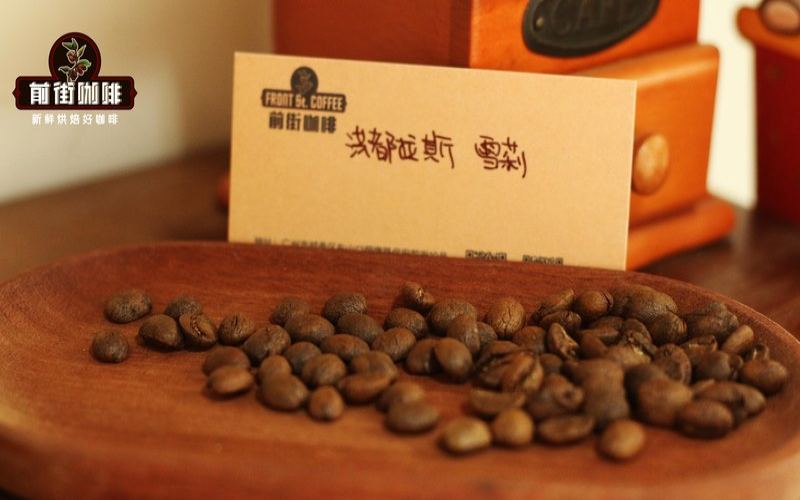
When it comes to choosing espresso beans, it's often easier to start with the roast level. Light roasts retain more of the origin's character, suiting those who enjoy bright acidity and fruity notes; medium roasts strike a balance between sweetness, aroma, and body; dark roasts lean closer to cocoa, nuts, and caramel. Apply this flavor progression to espresso, Americano, or latte, [more…]

A Guide to Choosing Commercial Espresso Beans: Italian-Style Blend House Beans Recommendations and Bagged Price Comparison Analysis
For opening a coffee shop or drinking espresso daily, choosing the right beans directly affects consistency in the cup and cost control. This article focuses on commercial espresso blend coffee beans, first explaining the basic logic of blending and common misconceptions, then introducing one by one the flavor positioning and suitable scenarios of five espresso-specific blend beans under Front Street Coffee, with a key analysis of the origin composition and flavor performance of Front Street commercial blends. It also explains the roasting degree requirements for pressurized extraction in espresso machines, as well as how beginners and shops with a single grinder should choose. Finally, it offers a way to compare prices of bagged espresso blends, helping coffee enthusiasts and industry professionals find daily beans that taste good, are consistent, and are not expensive. [more…]
Choosing Blend Coffee Beans by Roast Level: From Bright Fruit to Rich Cocoa
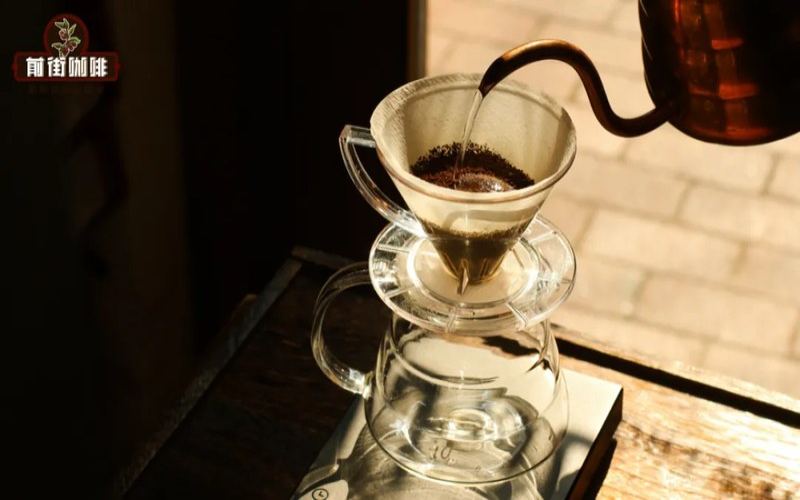
The charm of blended coffee beans lies in the fact that different origin beans, when combined, can form a more complete and stable flavor. When selecting, you can first look at the roast level: light roasts tend toward bright aromas, medium roasts balance sweetness and smoothness, while dark roasts emphasize cocoa, nutty, and roasted notes. By comparing these against your own drinking habits, choosing beans becomes much easier. [more…]
A Complete Guide to Choosing the Right Latte Art Pitcher Capacity and Milk-to-Espresso Ratios
To create beautiful latte art, choosing the right milk pitcher capacity and milk volume is key. There are many latte art pitcher brands on the market, with capacities ranging from 12 ounces to 24 ounces, and different sizes have a direct impact on pattern formation. This article will introduce common milk pitcher brands, explain the matching formula between milk pitcher capacity and coffee cup size, describe how the pitcher's tilt angle affects latte art results, and provide coffee cup capacity recommendations suitable for latte art. Whether you are a beginner or an advanced player, you can find practical purchasing and operating references here. Front Street Coffee has also compiled related product recommendations for you to help you easily improve your latte art skills. [more…]

Choosing Espresso Beans by Roast Level: From Bright Fruit to Rich Cocoa
For espresso beans, you don't have to focus only on the region or the flavor words on the packaging—the roast level often determines the taste more directly. Light roasts tend to preserve fruity notes and lively acidity, medium roasts bring sweetness, aroma, and body into a more balanced position, while dark roasts lean closer to cocoa, nutty, and roasted notes. Based on how you usually drink it strong [more…]
Choosing coffee beans with a full-bodied crema based on roast level
If you want a cup of coffee that looks oily and has a thick, rich mouthfeel, make roast level your first consideration when choosing beans. Light-roasted beans usually emphasize floral and fruity notes along with bright acidity; their surface is dry and they show little oiliness. Medium to dark roasts, on the other hand, more readily develop nutty, cocoa, caramel, and roasted aromas, and taste richer as well. If your daily routine centers on [more…]

A Guide to Choosing Beans for Home Espresso Machines: The Meaning of Coffee Blends and Five Front Street Blend Recommendations
To make a good cup of coffee at home on an espresso machine, choosing the right blend is a key step. A coffee blend is a mix of beans from different origins and processing methods in specific proportions, to achieve balanced flavor, rich crema, and consistent output. This article first explains the basic concept and advantages of coffee blends, then, for the home espresso scenario, introduces five Front Street espresso blends one by one: the rich, mellow aroma of the Classic Blend, the fruity and floral sweet-tartness of Strawberry Candy, the nutty notes of the Specialty Blend, the café-style flavor of the Commercial Blend, and the high cost-performance of the Basic Blend, helping friends with different needs find a daily bean that suits them. [more…]
Choosing Espresso Blend Beans by Roast Level: From Bright Acidity to Full-Bodied Richness
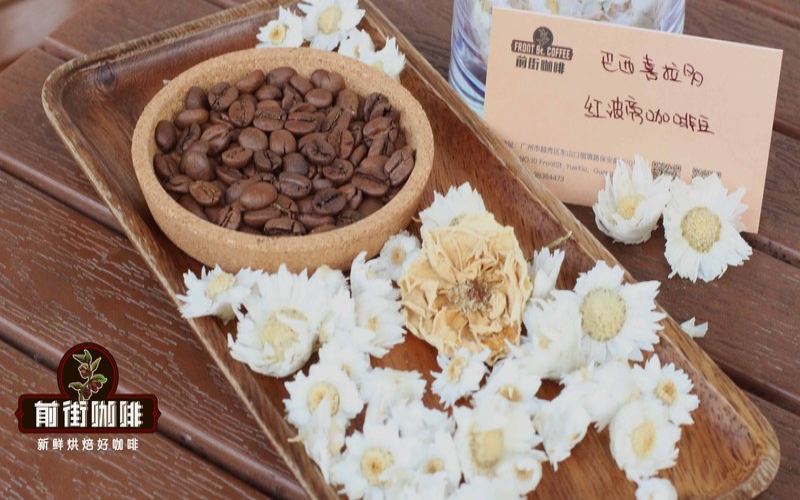
When making espresso, the roast level of a blend directly affects the flavor, texture, and suitable drinking occasions of the shot. Light roasts more easily preserve bright acidity and fruity notes, medium roasts bring sweetness, aroma, and body to a more balanced position, while medium-dark and dark roasts lean closer to nutty, cocoa, and roasted tones. For those just getting into espresso, [more…]
Choosing Drinks for SOE by Roast Level: A Flavor Guide from Pour-Over to Milk Coffee
SOE refers to single-origin espresso beans, where the distinct characteristics of the region, variety, and processing method all come together in a single shot. It doesn't belong to just one type of drink; what really affects the pairing is often the roast level. Light roasts emphasize floral and fruity notes with bright acidity, medium roasts are easier to balance, and dark roasts bring out cocoa, nutty, and [more…]
Coffee Machine Bean Selection Guide: Choosing the Right Cup by Roast Level
Espresso machines pull shots quickly and produce high concentration, and the roast level of the beans directly affects aroma, acidity, and body. If you mainly use a home espresso machine, super-automatic coffee machine, or capsule-based alternative, you can first determine your direction among light, medium, and dark roasts, then choose based on whether you usually drink espresso, Americano, or latte. This way, selecting beans will [more…]

How to Choose Espresso Beans? Four Classic Blends Recommended and Milk Pairing Tips Explained
To make a cup of aromatic espresso with dense crema at home, three steps are essential: choosing beans, resting beans, and extraction. This article starts with the most critical step—choosing beans. It first explains how coffee bean freshness affects flavor and crema, then introduces the origin composition and flavor performance of four classic espresso blends from Front Street Coffee one by one, and finally discusses milk selection and ratios, along with specific preparation parameters for iced lattes. Whether you are a beginner just getting into coffee or a seasoned enthusiast looking to replicate the same flavors as a coffee shop, you will find beans and pairing ideas that suit you. [more…]

The Difference Between Espresso and Ristretto Explained: What Ristretto Means and Choosing the Base for a Flat White
On the menus of many coffee chains, besides the usual espresso, there is often an option called "Ristretto." The name sounds new, but it is actually what the coffee world commonly calls Ristretto. Ristretto comes from Italian, meaning "restricted." It is also a type of espresso, but because the extraction method is different, its flavor expression and concentration differ from regular espresso. This article will explain, from Front Street's perspective, exactly what Ristretto is, how to correctly make a cup of Ristretto, and its relationship with Flat White, helping coffee lovers avoid unnecessary detours in their daily brewing. [more…]
Espresso Beans vs. Americano Beans: A Guide to Choosing and Medium-Dark Roast Recommendations
Many friends who are just getting into coffee find the relationship between espresso and Americano confusing. In fact, the two are not parallel categories; rather, one contains the other. Americano is simply one of the many drinks built on an espresso base, and latte, cappuccino, flat white, Dirty, and others also belong to the espresso family. This article starts with bean selection—brand and freshness—then analyzes how roast level affects Americano flavor, and offers blended bean recommendations suitable for making Americano, including several classic espresso blends from Front Street Coffee, along with practical ratio references for both hot and iced Americanos. [more…]
Featured Espresso Bean Recommendations | Blend or SOE? 3 Key Things Beginners Must Know When Choosing Espresso Beans! Which High-Value Espresso Blends Are Worth It?
Many people, after drinking coffee for a long time, want to make a cup themselves. But when they open a shopping platform to look for coffee beans, they find all kinds of incomprehensible terms. Just for espresso beans alone, there are blends, SOE, Yirgacheffe, Huakui, Kenya, Geisha, Colombia... It's like reading a sealed book, and then they sigh, drinking [more…]